The Show Season Is Over. Is Your Feeding Program Ready for the Transition?
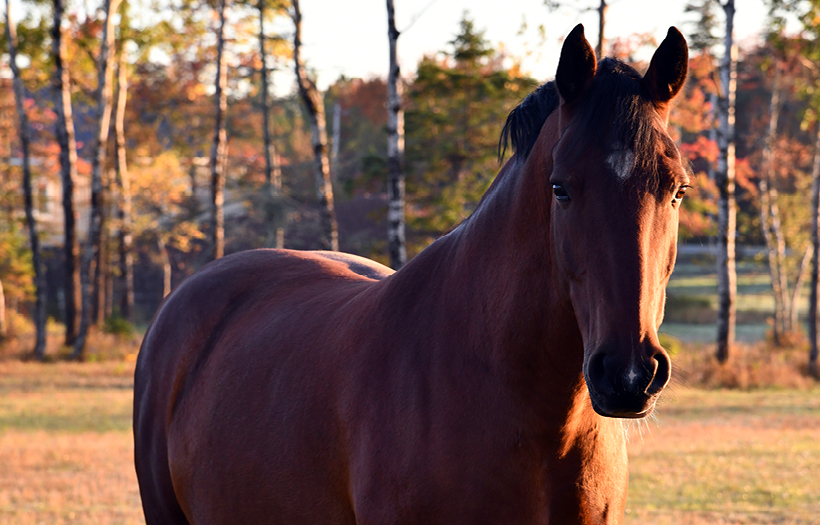
As competition season winds down, many horse owners begin adjusting their routines. Training schedules become lighter, weekend shows come to an end, and horses often spend more time at home enjoying a well-earned break.
While it may seem logical to simply feed less when a horse’s workload decreases, the transition out of show season requires a more thoughtful approach. Although calorie requirements may change, your horse’s need for high-quality forage, balanced nutrition, and digestive support remains just as important.
The off-season is the ideal time to evaluate your feeding program and make sure it continues to support your horse’s changing nutritional needs.
Table of contents
- Fewer Rides Doesn’t Mean Fewer Nutrients
- Protect the Topline You’ve Worked Hard to Build
- When Calories Need to Come Down, Fortification Shouldn’t
- Forage Becomes Even More Important
- Hay Changes Require More Than Just New Forage
- Supporting Digestive Health Through Seasonal Transitions
- Don’t Overlook the Foundation
- Setting the Stage for Next Season
Fewer Rides Doesn’t Mean Fewer Nutrients
One of the most common mistakes horse owners make after the show season is reducing feed too quickly.
As exercise levels decrease, many horses require fewer calories to maintain an ideal body condition. However, their requirements for essential amino acids, vitamins, and minerals remain relatively unchanged. These nutrients continue to support muscle maintenance, immune function, hoof quality, and overall health.
Rather than dramatically reducing or eliminating concentrate feeds, focus on matching calorie intake to workload while maintaining a balanced diet. The goal is to reduce excess energy, not nutritional quality.
Regular body condition scoring can help identify subtle changes before they become significant. Autumn hair coats can make it difficult to assess weight changes visually, so routinely evaluating body condition with your hands can provide a more accurate picture.
Protect the Topline You’ve Worked Hard to Build
Building muscle and topline takes months of proper training, management, and nutrition. Without the right nutritional support, horses can gradually lose condition during periods of lighter work.
Even when exercise levels decrease, horses still require quality protein and essential amino acids to help maintain muscle mass. Simply reducing feed without considering nutrient intake may compromise the progress made throughout the competition season. The objective during the off-season isn’t just maintaining body weight. It’s maintaining healthy body condition, muscle tone, and overall well-being so your horse is ready to return to work when the next season begins.
When Calories Need to Come Down, Fortification Shouldn’t
As workload decreases, many horses no longer require the same energy intake they needed during peak competition season. However, reducing calories should not come at the expense of proper nutrition.
A common challenge for horse owners is finding a feeding program that meets vitamin, mineral, and protein requirements without providing unnecessary calories.
For horses whose energy needs have decreased, Purina® SuperFibra Integri-T, SuperFibra Plus, and SuperFibra Ultra offer practical nutritional solutions. These highly fortified feeds are designed to complement forage-based feeding programs while helping horses maintain balanced nutrition during periods of lighter work.
Whether your horse is enjoying a break from competition, being ridden less frequently, or transitioning into a maintenance program, these products can help provide essential nutrients without overfeeding calories.
Your local Purina Equine Consultant can help determine which SuperFibra product best matches your horse’s age, body condition, forage program, and activity level.
Forage Becomes Even More Important
As temperatures cool and pasture quality declines, forage often becomes the primary component of the equine diet.
High-quality hay supports digestive health, encourages natural feeding behaviour, and helps horses generate body heat throughout the colder months. Because forage quality can vary considerably, it is important to regularly monitor both hay intake and body condition.
Any transition from pasture to hay, or from one hay source to another, should be made gradually. Sudden changes can disrupt the hindgut environment and increase the risk of digestive upset.
When evaluating forage, prioritize cleanliness, consistency, palatability, and overall quality. A successful feeding program always starts with good forage.
Hay Changes Require More Than Just New Forage
For many horses, the end of show season coincides with another significant transition: introducing a new batch of hay or moving from pasture to stored forage.
Even if two hay supplies appear similar, differences in maturity, nutrient composition, digestibility, and fibre levels can affect how horses respond. This is why gradual transitions are so important.
In addition to changing forage sources, horses may also experience adjustments in turnout schedules, exercise levels, housing, and daily routines. These combined changes can place additional demands on the digestive system.
Supporting digestive health during these transitions can help horses adapt more comfortably while maintaining consistent feed utilization and overall well-being.
Supporting Digestive Health Through Seasonal Transitions
A healthy digestive tract is essential for maximizing the nutritional value of both forage and feed. This becomes particularly important during periods of dietary and management change.
For horses transitioning between forage sources or adjusting to new feeding programs, Purina® HorseShield can be a valuable addition to the diet.
HorseShield® contains prebiotics and probiotics that help support a healthy microbial population within the digestive tract. This support can be especially beneficial when horses are adapting to changes in hay, turnout schedules, workload, or other seasonal management practices.
When combined with quality forage and a balanced feeding program, digestive support can help horses navigate seasonal transitions while promoting digestive health and overall wellness.
Don’t Overlook the Foundation
During the off-season, it can be tempting to focus exclusively on reducing feed costs or lowering calorie intake. However, the fundamentals remain unchanged.
Every horse requires:
- Access to clean, fresh water
- Consistent forage intake
- Balanced vitamins and minerals
- Appropriate protein levels
- A feeding program tailored to individual needs
Evaluating these fundamentals each fall can help prevent nutritional gaps and support long-term health and performance.
Setting the Stage for Next Season
The off-season should not be viewed as a pause in your horse’s nutrition program. Instead, it is an opportunity to reassess, adjust, and build a strong foundation for the months ahead.
As workload decreases, consider whether calorie intake should be reduced while maintaining proper fortification. Products such as Purina® SuperFibra Integri-T, SuperFibra Plus, and SuperFibra Ultra can help support horses whose energy requirements have changed. During forage transitions, Purina® HorseShield can help support digestive health as horses adapt to new hay and seasonal management practices.
With the right nutritional strategy, your horse can maintain condition, support digestive health, and emerge from the off-season ready to perform when it matters most.
Because next season’s success starts long before the first show of the year.