Preparing Your Backyard Flock for Winter
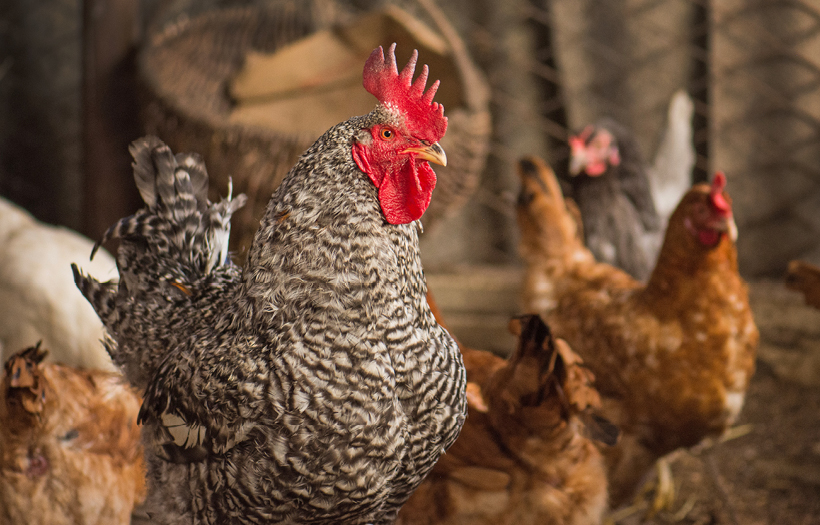
As the days grow shorter and temperatures begin to drop, it’s time to prepare your backyard flock for winter. Across much of Canada, cold winds, snow, ice, and shorter daylight hours are just around the corner.
Winter can be challenging for both people and chickens. We prepare by bringing out warm coats, gloves, and hats, servicing our furnaces, and sealing drafts around our homes. Backyard flock owners should take a few important steps to help their birds stay comfortable and productive through the colder months.
Table of contents
Many chicken breeds are naturally well adapted to cold weather thanks to the insulating down beneath their outer feathers. With proper care, healthy hens can remain comfortable and productive throughout the winter months.
If you live in a region with harsh winters, consider choosing breeds known for their cold hardiness. Larger brown egg-laying breeds with dense feathering, generally handle winter conditions very well. Smaller white egg-laying breeds often have larger combs and lighter feather coverage, making them more susceptible to cold weather.
A chicken’s comb helps dissipate heat during warmer weather but can become vulnerable to frostbite in winter. Breeds with smaller pea or rose combs tend to be better suited to cold climates than those with large single combs.
Even cold-hardy breeds benefit from a well-prepared coop. November is an excellent time to ensure both your birds and their housing are ready for the colder months ahead.
Electricity
Electricity can be one of the most valuable conveniences during winter. Heated waterers help prevent water from freezing, eliminating the need to constantly replace frozen buckets. Electricity also allows flock owners to use supplemental lighting on a timer, helping hens receive approximately 15 hours of light per day to support egg production during shorter winter days.
Set lights to come on in the early morning before sunrise. Having lighting inside the coop also makes evening flock checks much easier.
While running an extension cord from the house may seem convenient, it is not recommended as a long-term solution. If possible, consider having power professionally installed in the coop. It may prove to be one of the best investments for year-round flock management.
Reducing Drafts
Good ventilation is important year-round, but during winter it’s equally important to prevent cold drafts from blowing directly onto your birds. Drafts can contribute to frostbite, particularly on exposed combs. Clean windows and close them as temperatures begin to drop while still ensuring adequate ventilation for moisture control.
Most coops have gaps around doors, windows, joints, and rooflines. These openings can often be sealed with silicone caulking. Larger gaps may require expanding foam insulation. Taking care of these repairs before temperatures become extreme will help create a more comfortable environment for your flock.
Keeping Water Available
Chickens need continuous access to fresh water, and frozen water is one of the biggest challenges during winter. Heated waterers are an excellent solution when electricity is available. In coops without power, owners often need to replace frozen water with fresh, warm water throughout the day.
Insulation can help slow freezing. A well-insulated coop benefits not only the birds but can also help keep water from freezing as quickly. Similarly, insulated water containers can provide several extra hours of freeze protection compared to standard buckets.
Managing Mice
As temperatures drop, mice look for warm shelter and a reliable food source. Spilled feed can quickly attract rodents.
Inspect the coop for holes and cracks that could allow entry, and seal them whenever possible. Traditional snap traps remain one of the most effective methods of mouse control when placed safely away from birds and children. Position traps along walls, as mice tend to travel along edges rather than across open spaces.
Avoid using rodenticides around backyard flocks. In addition to potential risks to poultry and other animals, poisoned rodents can harm beneficial predators such as owls that naturally help control rodent populations.
Feed for Winter Success
As temperatures decline, chickens naturally consume more feed to generate the energy needed to maintain body heat. Providing a consistent supply of high-quality nutrition is essential throughout the winter months.
For laying hens, Purina® Layena® Feather Plus is an excellent winter feeding choice. Winter can place additional nutritional demands on hens as they dedicate energy toward staying warm, maintaining feather coverage, and supporting egg production. Formulated with the nutrients hens need to support feather condition and laying performance, Purina® Layena® Feather Plus helps keep your flock productive throughout the colder months.
Always ensure feed is fresh, dry, and available at all times.
Heating the Coop
Chickens are remarkably resilient birds. When protected from drafts and supplied with adequate feed and fresh water, most healthy hens can tolerate very cold temperatures. In many parts of Canada, supplemental heat is not necessary for a properly managed flock. ]
However, in regions that experience extreme cold, taking the edge off severe overnight temperatures may help reduce stress on birds. If supplemental heat is used, always prioritize fire safety. Heat sources should be securely installed and kept well away from bedding, dust, and other combustible materials.
Get Ready Before Winter Arrives
Before winter weather arrives in full force, take time to prepare your coop and flock for the months ahead. By reducing drafts, ensuring reliable access to water, controlling rodents, and providing complete nutrition through Purina® Layena® Feather Plus, you can help your hens stay comfortable and continue laying throughout the winter, even when conditions outside are less than ideal.
Winter may be challenging, but with a little preparation, your backyard flock can thrive all season long.