
From Performance Partner to Senior Companion: How Your Horse’s Nutritional Needs Change Over Time
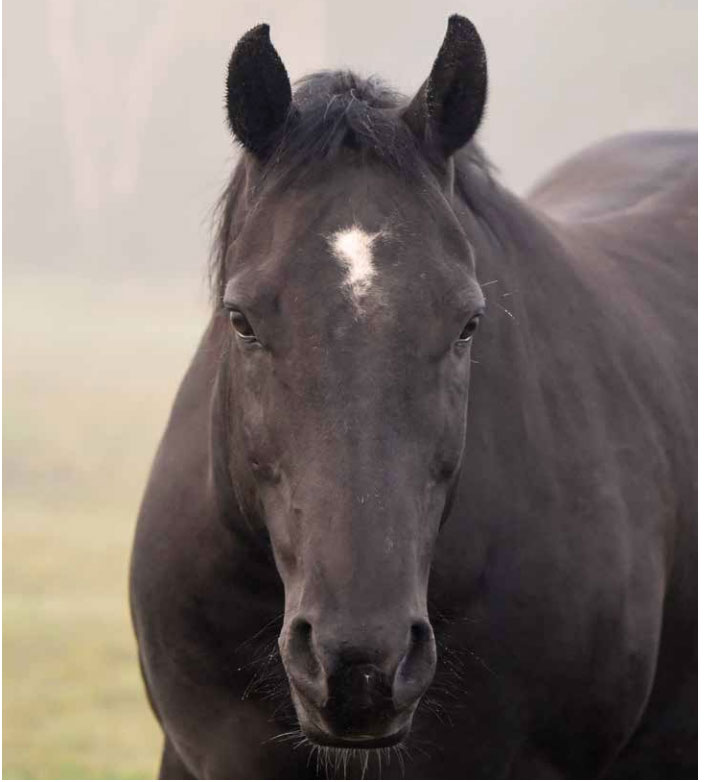
As horses age, their nutritional requirements don’t stay the same. The horse that once thrived on a busy competition schedule will eventually need a different feeding approach as activity levels change and the aging process begins. Nutritional needs are influenced by many factors, including workload, age, metabolism, forage quality, and overall health. Understanding these changes can help support body condition, digestive health, and long-term wellbeing throughout every stage of your horse’s life.
Let’s look at two common stages in the transition from performance horse to senior horse and the feeding strategies that can help along the way.
Table of contents
Stage 1: Reduced Activity and Changing Energy Needs
For many horses, the first major nutritional shift occurs between 15 and 20 years of age. At this stage, competition schedules often become lighter, workloads decrease, or retirement begins to come into view.
When activity levels drop, energy requirements typically decrease as well. While your horse may no longer need the same amount of feed to maintain body condition, they still require adequate levels of vitamins, minerals, amino acids, and other essential nutrients to support overall health.
When Less Feed Doesn’t Mean Less Nutrition
Some horses maintain excellent body condition on quality hay or pasture with only a small amount of concentrate feed. In these situations, feeding less grain can make sense, but reducing feed intake too much can create nutrient gaps.
This is where a ration balancer can be a valuable tool.
Unlike traditional horse feeds, ration balancers provide concentrated nutrition in a lower feeding rate. They supply key nutrients such as amino acids, vitamins, and minerals without adding unnecessary calories. This makes them an ideal option for horses with lower energy requirements but ongoing nutritional needs.
Supporting Muscle, Hoof, and Coat Condition
As horses age, maintaining topline, hoof quality, and overall appearance becomes increasingly important. A well-balanced nutrition program helps provide the building blocks needed to support muscle maintenance, healthy hooves, and a shiny coat.
Products such as Purina Equilibrium Optimal and Equilibrium Equilizer can be fed alongside forage-based diets or incorporated into existing feeding programs to help ensure nutritional requirements are being met.
Stage 2: Retirement, Weight Loss, and Dental Challenges
As horses move into their twenties, a new set of challenges often emerges.
You may notice your horse beginning to lose weight despite receiving the same amount of feed. Hay may be dropping from the mouth while eating, or partially chewed wads of forage may appear around the feeding area. Some horses may also spill grain while eating.
These are often signs that dental health is becoming a factor. Aging teeth gradually lose their ability to properly cut and grind forage, making it more difficult for horses to chew and digest feed efficiently. Tooth loss can further reduce feed intake and nutrient utilization, particularly when coarse or mature hay is being fed.
Adjusting the Forage Program
Forage remains the foundation of every horse’s diet, including senior horses. However, the type of forage sometimes needs to change.
Switching to softer, higher-quality hay can make a significant difference for older horses experiencing dental issues. Chopped forage, hay pellets, hay cubes, or soaked alfalfa cubes may also help improve intake while providing valuable fibre and calories.
Maintaining adequate fibre intake remains essential for digestive health and helps support proper gut function and overall comfort.
Supporting Healthy Weight and Condition
For senior horses that struggle to maintain weight, a calorie-dense feed formulated specifically for older horses can help bridge the gap.
Look for senior feeds that provide:
- Highly digestible fibre sources
- Added fat for concentrated calories
- Controlled starch and sugar levels
- Enhanced vitamin and mineral fortification
These features help deliver calories in a form that is easier for aging horses to utilize while supporting digestive health and overall wellbeing.
Purina Evolution Senior and Equilibrium XCEL HD are designed to help meet the unique nutritional demands of aging horses while providing the calories needed to support healthy body condition.
Nutrition That Evolves With Your Horse
The transition from active performance horse to senior companion doesn’t happen overnight. By paying attention to changes in activity level, body condition, and dental health, you can adjust your feeding program to continue meeting your horse’s needs through every stage of life
A nutrition program tailored to your horse’s age, workload, and individual requirements can help support longevity, comfort, and quality of life for years to come.
At Purina Canada, we believe every horse deserves nutrition designed for their stage of life and level of activity. Whether your horse is still competing, enjoying a more relaxed lifestyle, or needing specialized senior care, our equine nutrition team can help you build a feeding program that works for both you and your horse.
Key Takeaways
- Horses’ nutritional needs change with age, influenced by factors like workload and health.
- In Stage 1, reduce feed while ensuring essential nutrients are met; consider using ration balancers for significant needs.
- In Stage 2, address weight loss and dental challenges by adjusting forage quality and considering senior feeds.
- Support healthy weight and condition with highly digestible fibres, controlled starch, and enhanced vitamins.
- Customizing a nutrition program for each horse’s stage of life ensures longevity, comfort, and overall wellbeing.