
Pasting in Chicks: Causes, Prevention, and Treatment
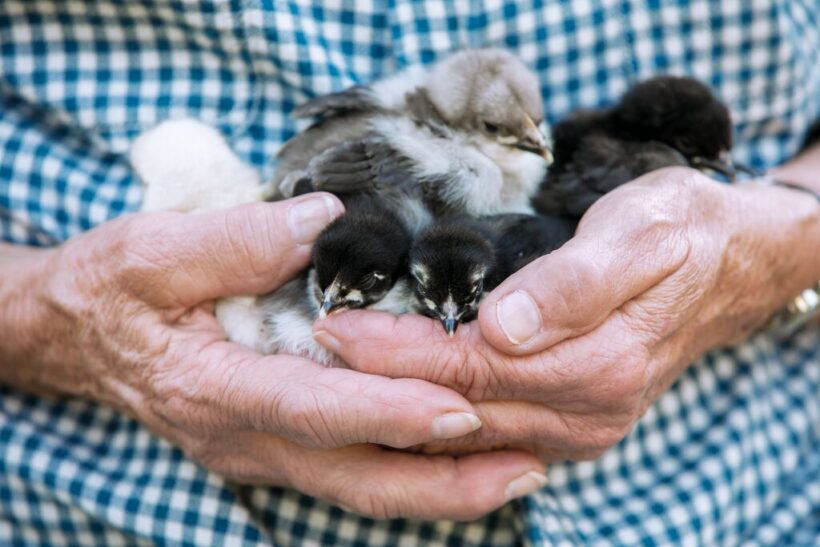
Baby chicks experience a lot of stress before they arrive at their new home. From hatching to transportation and adjusting to a new environment, these early challenges can significantly impact their health.
One common issue that can result from stress in young chicks is pasting, also known as pasty butt or poopy butt. While it may seem minor at first, pasting can become serious—and even fatal—if not addressed quickly.
Understanding what causes pasting, how to prevent it, and how to treat it will help keep your chicks healthy during their critical first weeks
Table of contents
What Is Pasting in Chicks?
Pasting occurs when droppings stick to a chick’s vent (the area where feces are expelled) and harden. If the vent becomes sealed shut, the chick can no longer pass waste normally.
Left untreated, this blockage can lead to severe health issues or death. Early identification and prompt care are essential.
Common Causes of Pasting
Several factors can contribute to pasting in chicks, and most are related to stress, dehydration, or improper brooder management.
1. Dehydration After Arrival
Chicks are not fed or watered at the hatchery. Instead, they rely on the yolk sac they absorb before hatching, which sustains them for the two to three days it takes to ship them to their final destination.
When chicks arrive, they are often hungry and thirsty. While it may feel instinctive to offer feed immediately, water should always come first.
If chicks eat before they drink enough water, they may struggle to digest the feed properly. This can cause droppings to become sticky and lead to pasting.
2. Improper Feeding Order
A key step in preventing pasty butt is ensuring every chick drinks before feed is introduced.
When placing chicks in the brooder:
- Set up clean, fresh water first
- As each chick is placed in the brooder, gently dip its beak into the water
- Allow time to ensure all chicks have located and consumed water
- Only introduce feed once you are confident they are drinking well
This simple step helps prevent digestive issues right from the start.
3. Incorrect Brooder Temperature
Temperature plays a critical role in chick health.
- Too hot: Chicks dehydrate quickly
- Too cold: Chicks become stressed and may huddle
Both dehydration and stress can lead to pasting. Maintaining proper brooder temperature and observing chick behavior closely will reduce risk.
4. Poor Water Quality or Access
Dirty water or poorly positioned waterers can reduce water intake. Clean, fresh water encourages proper hydration, which is one of the strongest defenses against pasty butt.
How to Identify Pasting
- Detecting pasting is usually straightforward. Signs include:
- A visible buildup of feces around the vent
- Chicks that appear uncomfortable or lethargic
- Dirty or matted down feathers near the rear
Inspect chicks daily during their first few weeks of life to catch the issue early.
How to Treat Pasting in Chicks
Treating pasty butt may be unpleasant, but it is simple and inexpensive.
What You’ll Need:
- Warm (lukewarm) water
- Paper towels or soft cloth
- Latex or disposable gloves
- Patience and gentle handling
Treatment Steps:
- Gently hold the chick and moisten the affected area using a wet paper towel
- For stubborn cases, hold the vent area under lukewarm (never hot) running water
- Alternatively, sit the chick briefly in a mug or shallow bowl of lukewarm water to loosen hardened feces
- Carefully wipe away the buildup without pulling on dry material
- Ensure the vent is completely clear so the chick can pass droppings normally
- After cleaning, applying a small amount of lubricant—such as petroleum jelly—to the vent area can help prevent repeat issues.
Ongoing Prevention Tips
- Monitor chicks closely for the first several weeks
- Keep brooders clean and dry
- Maintain proper temperature and ventilation
- Ensure constant access to clean, fresh water
- Address pasting immediately when noticed
Prompt care and good brooder management go a long way in preventing serious health problems.