How to Rehabilitate a Neglected Horse: Nutrition, Feeding and Recovery Guide
To all the horse owners, rescues, and compassionate individuals who open their hearts to horses in need, rehabilitation can be both challenging and incredibly rewarding. With the right nutrition, veterinary care, and management plan, many neglected horses can recover and regain a healthy, productive life.
Table of contents
- How Do You Rehabilitate a Neglected Horse?
- Why Is Body Condition Score Important?
- How Do You Estimate a Horse’s Weight Without a Scale?
- What Should You Feed a Neglected Horse?
- How Do You Safely Rehabilitate a Severely Malnourished Horse?
- Is Alfalfa Hay a Good Choice for Rehabilitation?
- Can Senior Horse Feeds Help Underweight Horses Gain Weight?
- What Additional Care Does a Neglected Horse Need?
- Frequently Asked Questions About Rehabilitating a Neglected Horse
- Key Takeaway
How Do You Rehabilitate a Neglected Horse?
Successful rehabilitation begins with a thorough veterinary examination, followed by a carefully planned feeding program and ongoing health care. Before introducing significant dietary changes, it is important to assess the horse’s overall condition, identify any medical concerns, and determine the safest path to recovery.
Key elements of rehabilitation include:
- Veterinary assessment
- Body condition evaluation
- Gradual nutritional support
- Fresh water and salt supplementation
- Parasite control
- Vaccination planning
- Hoof care and farrier support
Why Is Body Condition Score Important?
Body Condition Score (BCS) is one of the most valuable tools for assessing a neglected horse. Using the Henneke Body Condition Scoring System helps determine the severity of weight loss and provides a benchmark for measuring progress throughout rehabilitation.
Knowing your horse’s BCS can help guide feeding decisions and establish realistic recovery goals.
How Do You Estimate a Horse’s Weight Without a Scale?
Accurately estimating body weight is an important step when developing a rehabilitation feeding program. Since feeding rates are often calculated as a percentage of body weight, knowing your horse’s approximate weight helps ensure safe and effective nutritional management.
Step 1: Measure the Heart Girth
Using an equine weight tape or flexible measuring tape, measure the circumference of your horse’s heart girth in inches.
- Measure across the highest point of the withers.
- Position the tape just behind the elbows.
- Ensure the tape lies flat against the horse’s body.
Step 2: Measure Body Length
Using two people, measure the horse’s body length in inches:
- Start at the point of the shoulder.
- Measure along the side of the body.
- End at the point of the buttock or crease.
Step 3: Estimate Body Weight
Use the formula that corresponds to your horse’s age.
Adult Horses
Heart Girth (inches) × Heart Girth (inches) × Body Length (inches) ÷ 330 = Body Weight (lb)
Yearlings
Heart Girth (inches) × Heart Girth (inches) × Body Length (inches) ÷ 301 = Body Weight (lb)
Weanlings
Heart Girth (inches) × Heart Girth (inches) × Body Length (inches) = Body Weight (lb)
Converting Pounds to Kilograms
Body Weight (lb) ÷ 2.2 = Body Weight (kg)
Why Regular Weight Monitoring Matters
Regular weight monitoring can help you:
- Track recovery progress
- Adjust feeding rates appropriately
- Monitor changes in body condition
- Ensure safe, gradual weight gain
Combined with Body Condition Scoring, body weight estimates provide valuable information for evaluating a horse’s nutritional status and recovery progress.
What Should You Feed a Neglected Horse?
The best feeding program depends on the horse’s current body condition and overall health.
Horses with a Body Condition Score of 3 or Higher
Many horses with a BCS of 3 out of 9 or greater can be restored to a target BCS of 5 within approximately six to eight weeks when managed appropriately.
Rehabilitation typically begins by feeding approximately 1.5% of body weight per day, divided into four or five small meals. As the horse adapts and gains condition, intake can gradually increase to approximately 2.5-2.8% of body weight, with forage offered free-choice and concentrates divided into multiple meals. Concentrate meals should not exceed approximately 0.5% of body weight per feeding.
A balanced recovery diet should include:
- High-quality forage
- Controlled-starch concentrate feeds
- Fresh, clean water available at all times
- Gradual salt supplementation
Because neglected horses are often deficient in sodium, salt should be introduced gradually at approximately 25 g per day for an average-sized horse and increased to approximately 50 g per day as tolerated.
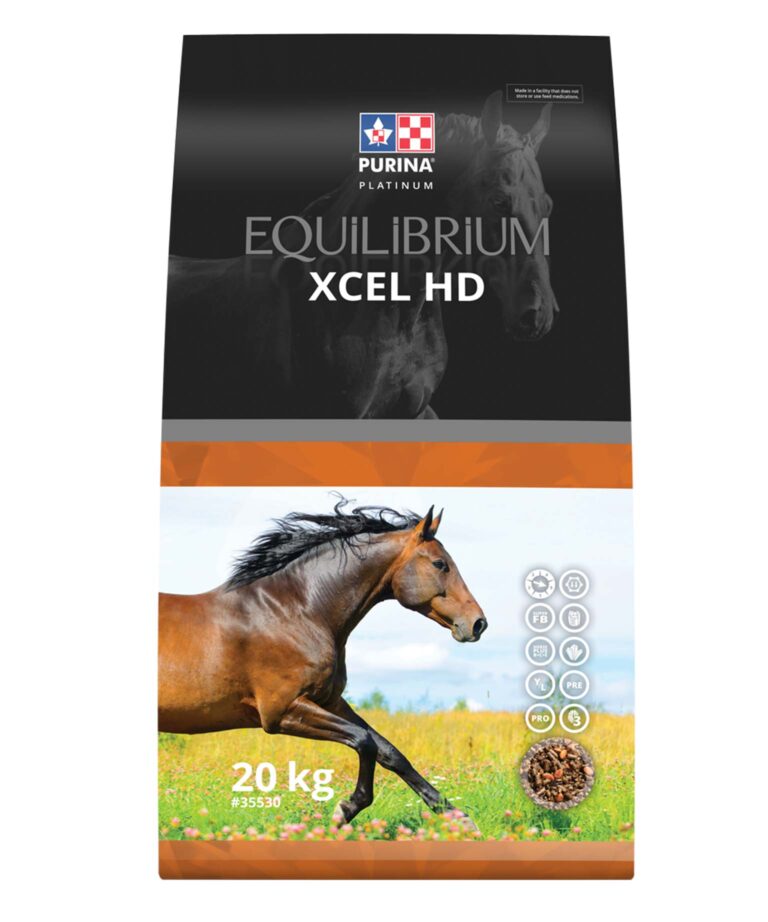
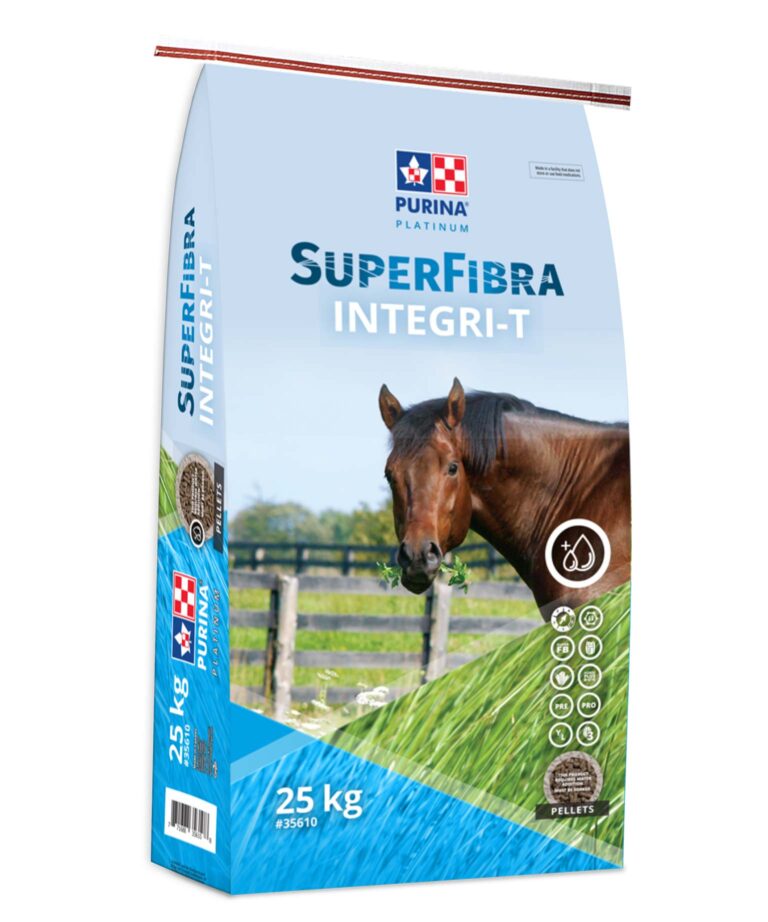
Complete feeds such as Evolution Senior, Super Fibre Integri-T, and Xcel HD can be effective options during rehabilitation because they combine controlled starch levels with highly digestible sources of energy and nutrients.
How Do You Safely Rehabilitate a Severely Malnourished Horse?
Horses with a BCS of 1 or 2 often require specialized care due to prolonged underfeeding or starvation. These horses may have experienced significant muscle and fat loss and require a carefully managed refeeding program.
If the horse is able to stand and has lost less than approximately 45-50% of its body weight, rehabilitation is often possible. Horses that are unable to stand and have experienced extreme body weight loss often face a significantly reduced likelihood of successful rehabilitation. A veterinarian should assess these cases immediately.
In severe cases, feeding plans should always be developed alongside a veterinarian and equine nutrition professional. A gradual feeding approach helps support safe weight gain while minimizing the risk of complications associated with sudden increases in feed intake.
Is Alfalfa Hay a Good Choice for Rehabilitation?
Quality alfalfa hay can be an excellent foundation for rehabilitation diets because it provides highly digestible protein and supports recovery without excessive starch intake.
Best practices include:
- Feeding small amounts frequently
- Gradually increasing intake over time
- Increasing meal size while gradually decreasing feeding frequence
- Providing free-choice access once the horse is stable
Feeding frequency can gradually decrease during the first 10 days of rehabilitation as meal size increases. After approximately 10 to 14 days, many horses can transition to free-choice forage access, provided their condition and digestive function remain stable.
For horses with poor dental condition, soaked alfalfa cubes or pellets may be a suitable alternative, including products such as Super Fibra Classic or Nature.
Can Senior Horse Feeds Help Underweight Horses Gain Weight?
Senior horse feeds are often an excellent option for neglected horses because they provide:
- Controlled starch levels
- High digestibility
- Added amino acids
- Balanced vitamins and minerals
- Prebiotics and probiotics to support digestive health
These feeds should be introduced at approximately 0.5% of body weight, divided into several small meals per day. Over a period of 10 to 14 days, meal size can gradually increase while feeding frequency decreases until the horse reaches normal feeding rates according to feeding recommendations.
For horses with dental challenges, senior feeds can be soaked in warm water for up to 15 minutes prior to feeding to create a soft mash. If soaking feed, prepare it shortly before feeding and avoid soaking overnight.
What Additional Care Does a Neglected Horse Need?
Nutrition is only one part of the recovery process.
Parasite Control
Once the horse has gained sufficient weight and condition, a veterinarian can recommend an appropriate deworming strategy based on the horse’s age, condition, and parasite burden. Horses with heavy parasite infestations, particularly young horses with roundworms, may require special consideration and reduced initial dosing to help minimize the risk of intestinal blockage.
Vaccination
Neglected horses often arrive with little or no known medical history. Working with your veterinarian to establish a vaccination schedule can help protect against common infectious diseases and support long-term health. Core vaccines commonly include tetanus, West Nile virus, Eastern and Western Equine Encephalomyelitis, and rabies. Vaccinations may be staggered over several days to reduce stress on compromised horses.
Hoof Care
Regular farrier care is essential for long-term recovery. Many neglected horses have overgrown or damaged hooves that require a gradual corrective trimming program. Radiographs may be required to assess internal damage and develop an appropriate trimming strategy. Proper nutrition also plays an important role in supporting hoof quality over time.
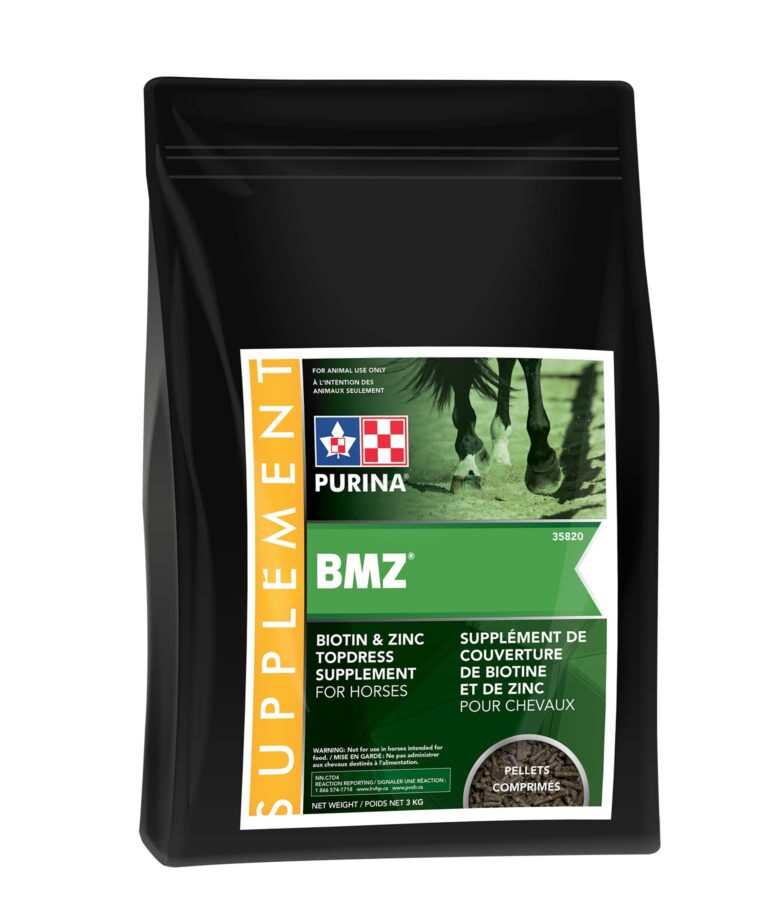
With proper nutrition, veterinary care, and farrier support, a healthy hoof capsule can often regrow in less than a year. Hoof supplements such as BMZ should be used as part of an overall balanced feeding program.
Frequently Asked Questions About Rehabilitating a Neglected Horse
How long does it take a neglected horse to gain weight?
Horses with a Body Condition Score of 3 out of 9 or higher can often return to a healthy condition within six to eight weeks when provided with appropriate nutrition and management.
What is the best feed for a neglected horse?
The best feeding program typically includes quality forage, controlled-starch feeds, fresh water, and a gradual increase in calorie intake. Depending on the horse’s condition, complete feeds such as Evolution Senior, Super Fibre Integri-T, and Xcel HD may be suitable options.
Can you feed a starving horse too much?
Yes. Severely malnourished horses should be reintroduced to feed gradually under veterinary supervision and professional guidance to help minimize the risk of complications associated with sudden increases in feed intake.
What Body Condition Score indicates severe malnutrition?
A Body Condition Score of 1 or 2 out of 9 generally indicates severe malnutrition and requires careful rehabilitation planning.
Key Takeaway
Rehabilitating a neglected horse requires patience, consistency, and a thoughtful approach to nutrition and care. By combining veterinary guidance, a gradual feeding program, parasite control, vaccination planning, and ongoing hoof care, many horses can make remarkable recoveries and enjoy a healthy future.
Need help creating a rehabilitation feeding program? Reach out to your local Purina Equine Consultant to develop a nutrition plan tailored to your horse’s unique needs.