Feeding for Performance: Nutritional Strategies for the Competition Horse
Feeding a performance horse isn’t just about calories—it’s about providing the right kind of energy to match the horse’s discipline, workload, and body condition. Whether your horse is underweight, overweight, or in peak shape, this guide breaks down how to balance energy sources like fibre, starch, and fat to support aerobic and anaerobic activity. We also explore feeding strategies for eventing horses and offer product recommendations from Purina to help you build a smart, performance-driven ration.
Table of contents
Preparing for the Competitive Season
As competition season approaches, it’s essential to prepare your horse ahead of time. Transitioning from a maintenance diet to a performance‑focused program helps ensure they have the energy, strength, and endurance needed for training and competition. Making the switch early also allows you to adjust body condition, build muscle, and tailor the ration to the horse’s workload.
Striking the Right Energy Balance
To build an effective ration, start by determining your horse’s ideal energy balance. The goal is to maintain a body condition score between 5 and 6 on the Henneke scale—a widely accepted method for evaluating equine body condition.
If your horse falls outside this range, it’s either underweight or overweight, and the feeding plan needs adjusting. Keep in mind: energy needs increase with exercise intensity.
What If My Horse Is Too Thin?
If your horse is losing weight, the solution is usually to increase daily calories—either through more hay or by adding concentrates. Performance horses often need concentrates because they deliver more calories per kilogram than forage.
Here’s how to help your horse gain weight:
- Add an extra meal per day
- Switch to a higher-calorie feed tailored to your horse’s needs
For example, a 500 kg horse may need to gain 16–20 kg to move from a body condition score of 4 to 6 (NRC, 2007). But results can vary depending on breed and metabolism, so use your judgment and monitor progress.
Horses get calories from:
- Starch (grains)
- Fibre (forage)
- Fat (plant-based oils)
These are stored as fat in adipose tissue or glycogen in muscles and liver. The right mix depends on your horse’s discipline, health, and temperament.
What If My Horse Is Overweight?
If your horse’s body condition score is above 6, it’s time to cut back on calories—especially concentrates. In some cases, you may also need to reduce forage.
As you reduce calories, your horse’s concentrate intake might fall below the recommended level for its weight and activity. That’s where a ration balancer like Equilibrium Equilizer comes in. It provides essential protein, vitamins, and minerals without the extra calories.
Need help fine-tuning the ration? An equine nutrition consultant can be a valuable resource.
Feeding the Eventing Horse
Eventing horses rely on both aerobic and anaerobic energy systems, depending on the phase—dressage, cross-country, or jumping. Their ration should include:
- Fibre: Helps retain water in the large intestine, reducing dehydration risk during long-distance or hot-weather training.
- Plant-based oils: Boost calorie intake without causing digestive upset or behavioral issues linked to excess starch.
- Starch: Needed for anaerobic bursts but should come from highly digestible sources like extruded feed or flaked grains (corn, barley).
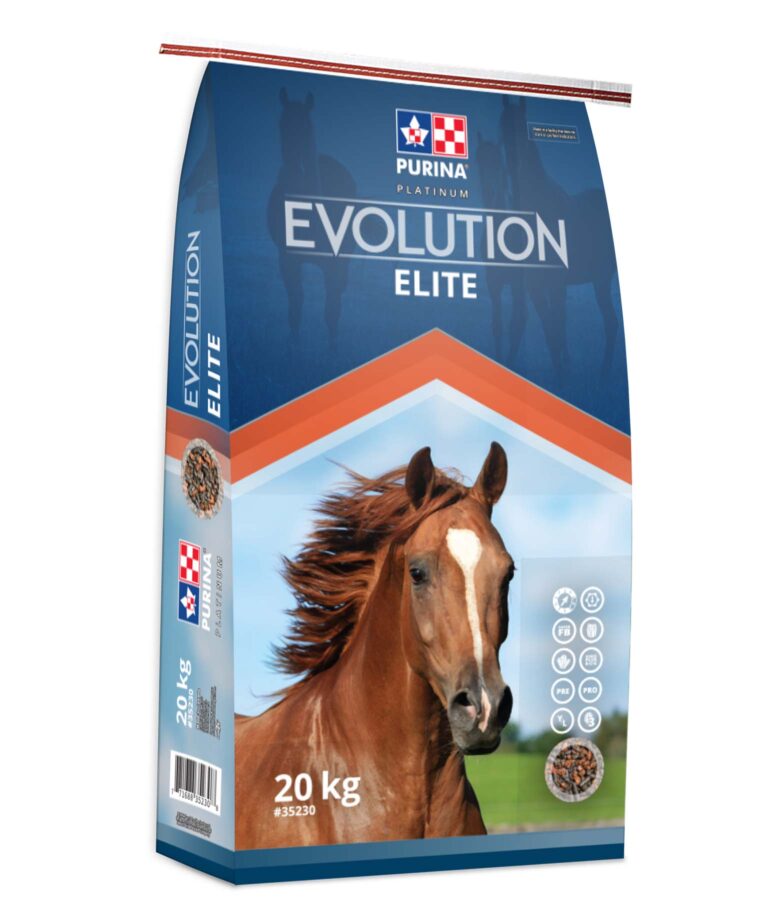
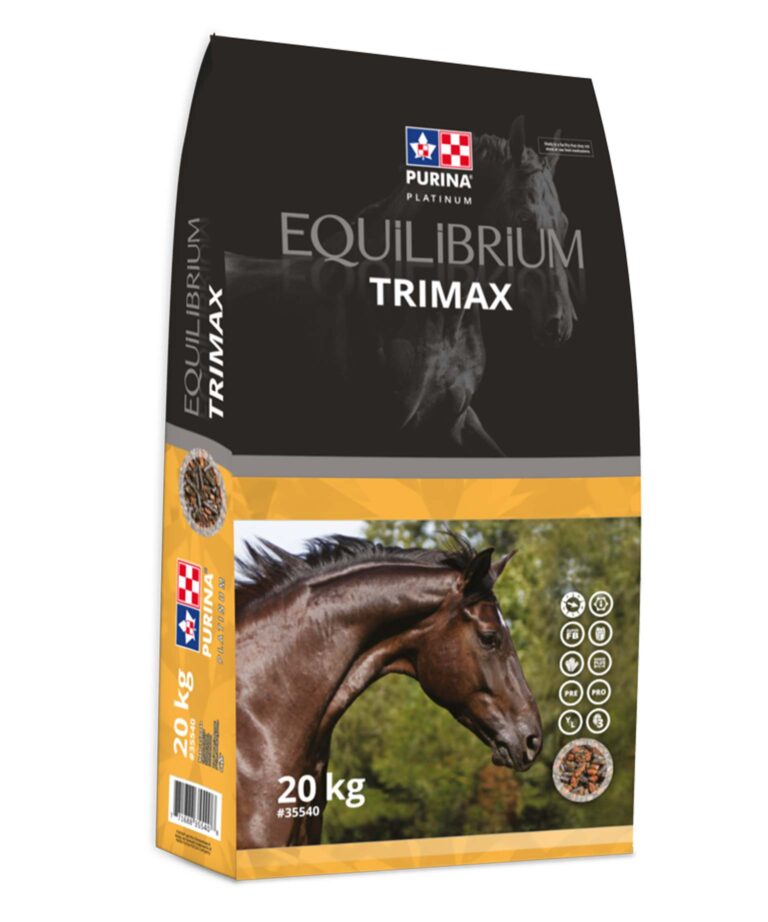
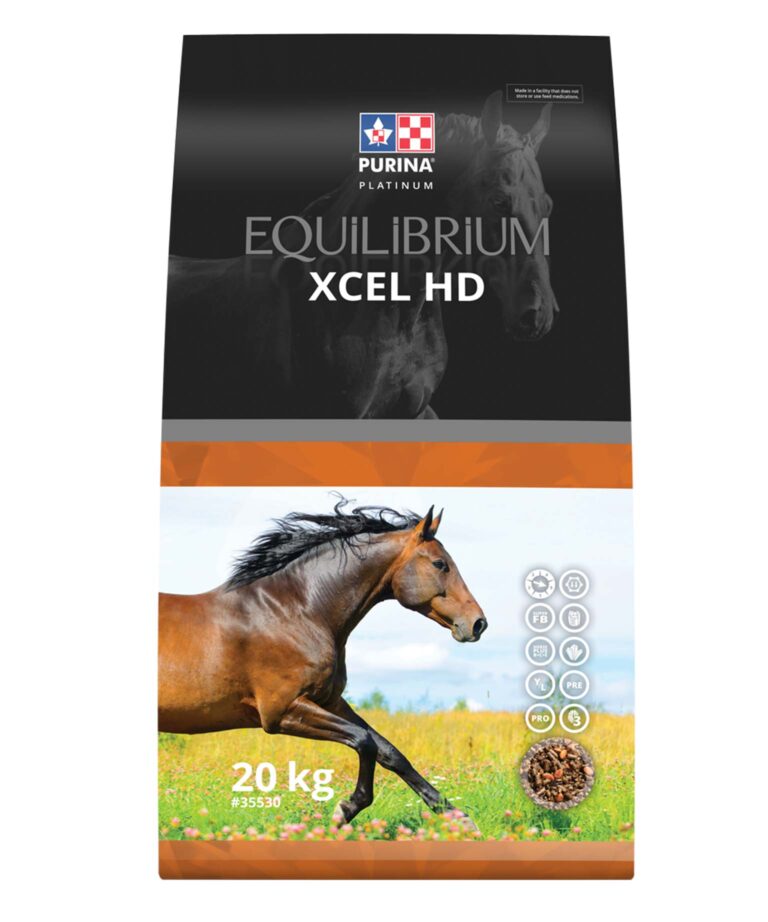
Recommended feeds for eventing horses include:
These complete feeds offer:
- High-quality protein
- Vitamins and minerals
- Antioxidants
- Omega-3 fatty acids
- Probiotics
Pair these with high-quality hay and, if needed, ration balancers like Equilibrium Equilizer or Equilibrium Optimal. Don’t forget to add electrolytes, especially salt, to support hydration and recovery.
Exercise Categories: From Light to Intense
The National Research Council of Canada (2007) outlines four categories of exercise:
- Light Work: 1–3 hours/week (mostly walking and trotting).
- Moderate Work: 3–5 hours/week (trotting, cantering, occasional jumping).
- Heavy Work: 4–5 hours/week (trotting, cantering, galloping, frequent jumping).
- Intense Work: Elite racehorses and top-level endurance competitors.
These categories are a helpful guide, but remember: climate, terrain, and individual metabolism also affect energy needs.
Aerobic vs Anaerobic Exercise
Aerobic exercise uses oxygen to convert glycogen into energy. It’s sustainable over long periods—like cross-country or endurance phases. Fats are the primary fuel, but starch is still needed to maintain performance. Anaerobic exercise happens during short, intense bursts—like racing or barrel runs. It relies on glycogen without oxygen, leading to lactic acid buildup and fatigue. Even anaerobic athletes benefit from fat in the diet, as it helps preserve glycogen stores.
Final Thoughts
Understanding your horse’s energy needs—and how they relate to exercise type, body condition, and discipline—is key to building a feeding plan that supports optimal performance. Whether your horse is gaining, losing, or maintaining weight, the right combination of forage, concentrates, fats, and supplements will make all the difference.