
What to Know Before Building Your Own Chicken Coop (A Friendly Guide for First Time Flock Owners)
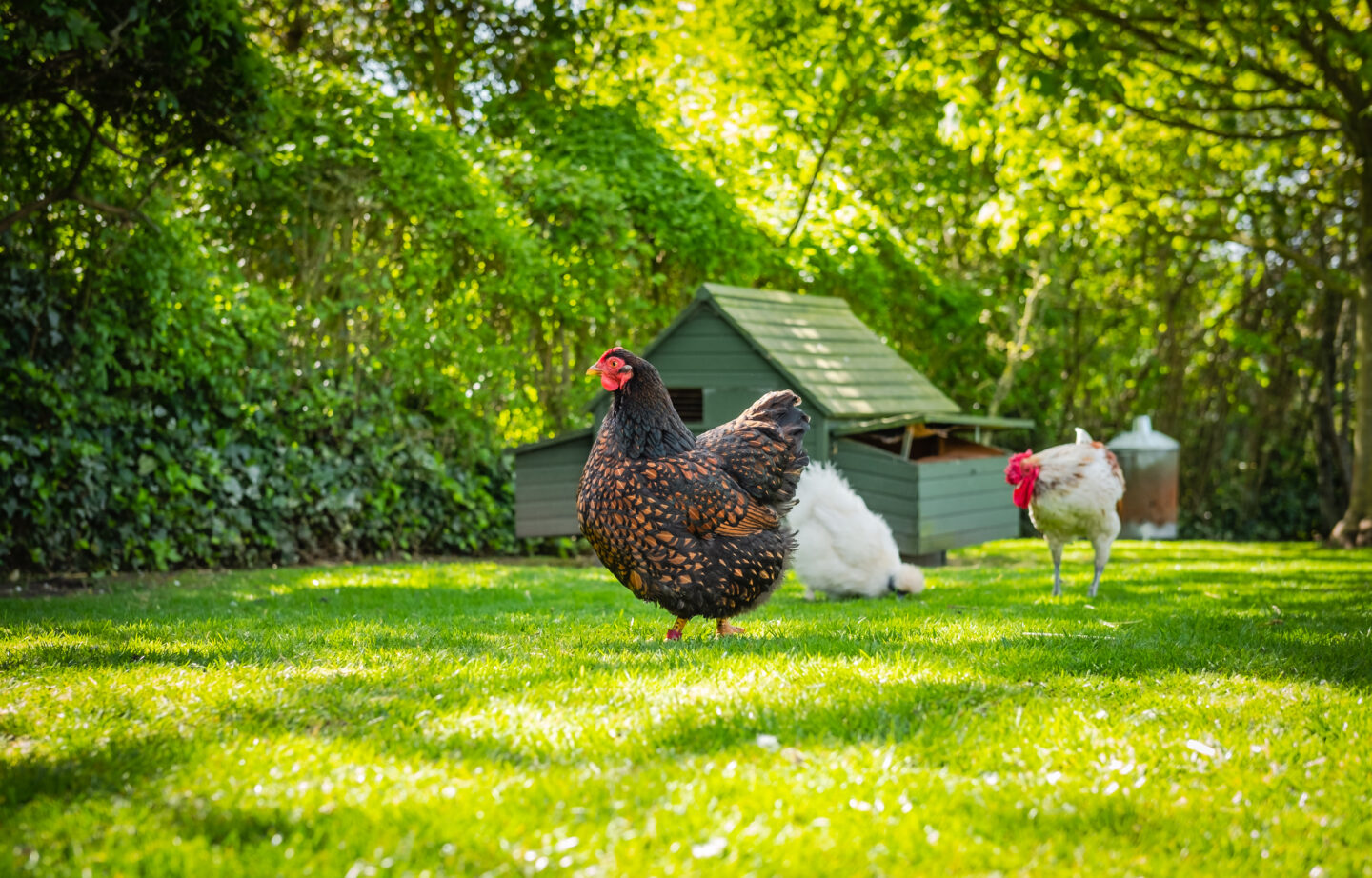
Thinking about building your first chicken coop? Exciting! Bringing home a flock is fun and rewarding—but giving them the right home makes all the difference. Before you pick up the hammer and nails, here’s a down‑to‑earth guide to help you build a coop that’s safe, comfortable, and easy to maintain.
Over the years, my family and I have built (and rebuilt!) more chicken coops than I can count. Each attempt taught us something new—but the core principles have never changed:
A great chicken coop keeps your birds safe, healthy, and comfortable, while being easy for you to clean and manage. With that in mind, here’s what you should know before you start building.
Table of contents
1. Pick a Coop Plan That Fits Your Flock (and Your Lifestyle)
There’s no single “perfect” coop design—only the one that works for you and your birds. Before you commit to a plan, think about:
How many chickens will you have?
Space needs vary:
- Free‑range birds need less indoor space because they spend most of their time outside.
- Cooped‑up birds need more room to prevent boredom and feather‑picking.
- Roosters often need more space than hens.
- Bantams take up less floor space but love vertical height.
How easily can you access it?
This is something many first‑time owners don’t think about until it’s too late. Make sure you can:
- Open doors without bending in awkward ways
- Reach all corners for cleaning
- Collect eggs without crawling inside
Your future self will thank you.
2. Choose a Location That Keeps Your Chickens Safe (and Cool)
Location is everything. The ideal spot balances shade, safety, and convenience.
Why shade matters:
Coops heat up fast. Placing the coop out of direct sunlight helps protect your flock from heat stress.
But avoid dense cover:
Building directly under trees can attract predators:
- Hawks love the vantage point.
- Ground predators appreciate the hiding spots.
And don’t forget your own daily routine:
You’ll be hauling feed, water, tools, and eggs to this spot every day—and possibly for the next five years. Pick a location you won’t dread walking to in a rainstorm.
3. Ventilation: The Unsung Hero of Chicken Coops
It may seem dramatic, but proper ventilation really is lifesaving for chickens.
Good airflow helps:
- Reduce ammonia buildup from droppings
- Prevent respiratory diseases
- Regulate temperature year‑round
For hot weather:
More vents = more fresh air = cooler birds.
For cold weather:
Keep two vents open near the roof and close the rest.
This allows humid air to escape (preventing frostbite) while keeping drafts off your roosting birds.
4. Hardware Mesh Is Your Best Friend Against Predators
If you remember nothing else, remember this:
Use hardware mesh—not chicken wire—to keep predators out.
Hardware mesh has tiny, sturdy openings that stop:
- Raccoons
- Weasels
- Rats
- Snakes
- Digging predators (if you bury it around the perimeter)
Chicken wire is only useful for keeping chickens IN, not predators out. Use it higher up on run fencing, where strength matters less.
5. Build Comfortable Nesting Boxes and Roosts
Your hens spend a lot of time in these two spots—so get them right.
Nesting boxes:
- One box for every three hens, plus one extra “just in case”
- Fill with soft bedding like straw or wood shavings
Roosts:
- Provide 10 inches of space per bird
- Should be the highest point in the coop (chickens love to sleep high)
Final Thoughts
Building your own chicken coop can feel overwhelming—but it doesn’t have to be. If you choose a smart design, pick a safe location, plan for good ventilation, predator‑proof with hardware mesh, and add comfortable roosts and nesting boxes, you’ll end up with a sturdy coop and a flock that thrives.