
The Power of Protein: Why Protein Matters for Laying Hens
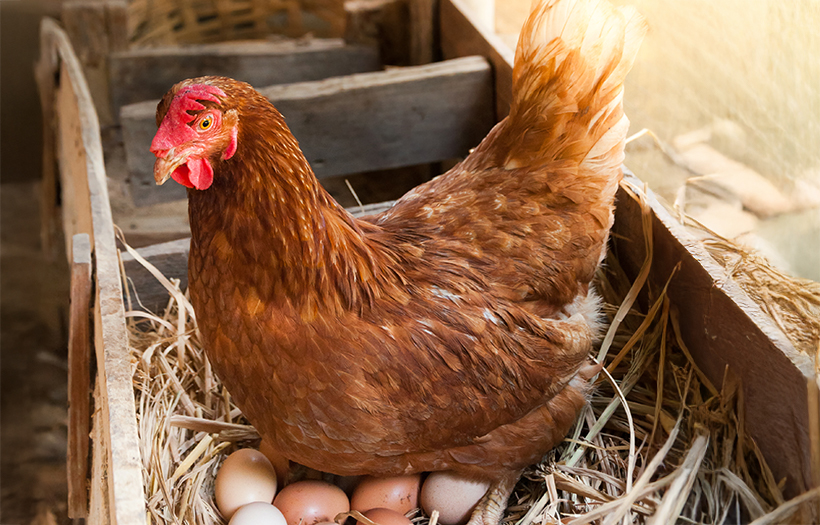
When people think about protein, they often think about chicks first. But protein is just as important for laying hens. Once hens reach the laying stage, their nutritional needs change. Protein becomes a key nutrient that supports egg production, body condition, feather quality, and overall health.
Simply put, the right amount of protein helps hens stay healthy and productive — and helps you get consistent, quality eggs.
Table of contents
Why Protein Is Important for Egg Production
Protein plays a direct role in egg production. Egg whites are made mostly of protein, so hens need enough protein every day to lay eggs consistently and maintain good egg quality.
If a hen’s diet is too low in protein, you may start to see fewer eggs or eggs with weaker quality. Feeding a complete layer feed with the right protein level helps support steady production throughout the laying cycle.
Why Protein Is Important for Egg Production
Protein plays a direct role in egg production. Egg whites are made mostly of protein, so hens need enough protein every day to lay eggs consistently and maintain good egg quality.
If a hen’s diet is too low in protein, you may start to see fewer eggs or eggs with weaker quality. Feeding a complete layer feed with the right protein level helps support steady production throughout the laying cycle.
Protein Supports Body Condition and Feather Quality
Protein is also essential for maintaining good body condition. Strong muscles help hens stay active, move comfortably, and express natural behaviors like scratching and foraging.
Feather quality is another important benefit of adequate protein. Feathers are made primarily of keratin, which is a protein. When hens don’t get enough protein, feathers can become dull, brittle, or slow to regrow.
Purina® Gold’N Layena® Feather Plus, with 18% protein, is formulated to support strong feather growth while helping laying hens stay productive and comfortable.
The Role of Protein in Immune Health
Protein doesn’t just support eggs and feathers — it also helps support a strong immune system. High-quality protein plays a role in tissue repair and immune response, helping hens stay resilient when facing daily stress, environmental challenges, or seasonal changes.
Hens that receive adequate protein are better equipped to stay healthy and active, which supports long-term productivity in the backyard flock.
Choosing a Feed with the Right Protein Level
To meet the needs of laying hens, it’s important to choose a complete layer feed that provides the right balance of protein, vitamins, and minerals.
Purina® Gold’N Layena® Plus, available in short-cut pellets or crumble, contains 17% protein and is formulated specifically for laying hens. It helps support:
- consistent egg production
- healthy body condition
- strong feathers
- and proper immune function
Feeding a layer feed designed for hens at this stage of life helps ensure they receive the nutrition they need every day.
Protein: A Key Nutrient for Your Backyard Flock
Protein is an essential nutrient at every life stage, but it plays an especially important role once hens begin laying. By feeding a quality layer feed with the appropriate level of protein, you help support your hens’ health, productivity, and overall well-being.
Healthy hens lead to a healthier backyard flock — and a steady supply of fresh, nutritious eggs you can feel good about.