
A Simple Look at How a Chicken Digests Its Feed
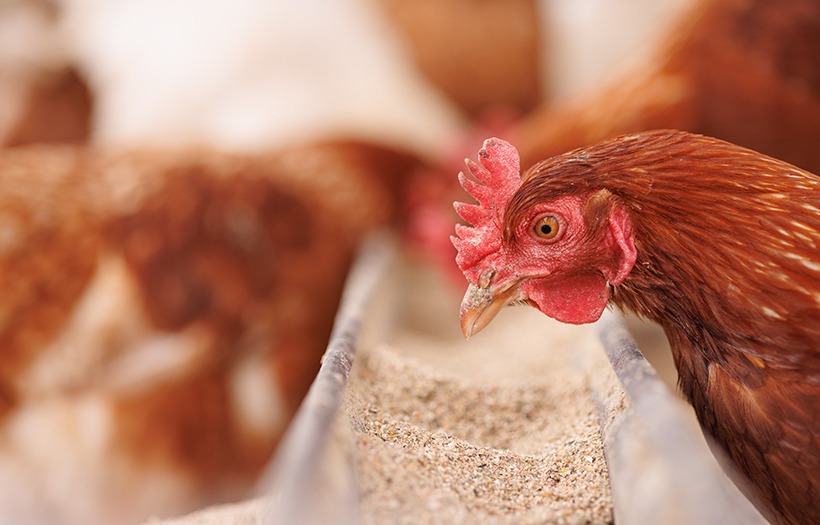
People often ask the classic question: “Which came first — the chicken or the egg?” But for new backyard chicken keepers, there’s another good one: “How does a chicken manage to eat without any teeth?” Despite having no teeth, chickens have one of the most efficient digestive systems in the animal world.
Here’s the easy to digest version.
Table of contents
- 1) The Beak & Esophagus — Peck, swallow, done
- 2) The Crop — the “holding pouch” in the chest
- 3) The Stomach — two parts working as a team
- 4) Small Intestine & Cecae — nutrients get absorbed
- 5) Large Intestine, Cloaca & Vent — the final stop
- Quick droppings check
- Chicken Manure — fantastic fertilizer (after composting)
- New Keeper Glossary
1) The Beak & Esophagus — Peck, swallow, done
It all starts with the beak, perfect for picking crumbles, pellets, small grains, bits of grass, or insects.
Chickens swallow everything whole — no chewing involved. A small amount of saliva just helps the feed slide down the esophagus.slide down the esophagus.
KEEPER TIP
Good digestion starts with:
– Quality layer feed
– Fresh water
Hydration and proper nutrition = smoother digestion and more consistent laying.
2) The Crop — the “holding pouch” in the chest
Once swallowed, the feed moves into the crop, a small expandable pouch at the base of the neck.
It acts like a temporary storage spot, where the feed softens before moving further along the system.
3) The Stomach — two parts working as a team
Chickens have a two-part stomach:
– Proventriculus (glandular stomach) – This is where digestive enzymes and acids start breaking the feed down.
– Gizzard (muscular stomach) – This is the bird’s grinding machine — their built-in replacement for teeth.
The gizzard, together with tiny stones the birds pick up, crushes and grinds the feed so it’s easier to digest.
KEEPER TIP
– If your flock free ranges, they’ll naturally pick up small stones that help the gizzard grind feed.
– If they’re kept in a run with little access to soil, provide a shallow pan with small, clean stones so they can help themselves as needed.
4) Small Intestine & Cecae — nutrients get absorbed
Feed then moves to the small intestine, where most nutrients — proteins, fats, vitamins, minerals, energy — are absorbed.
Next up are the two cecae, small side pouches where bacteria break down tougher fibres.
5) Large Intestine, Cloaca & Vent — the final stop
The large intestine pulls out extra water.
Everything then enters the cloaca, where the brown part of the droppings mixes with the white urates (the chicken’s version of urine).
It’s all expelled through the vent.
Quick droppings check
Healthy droppings usually have:
– A brown/green section
– A white cap (urates)
A great indicator of digestive health.
Chicken Manure — fantastic fertilizer (after composting)
Chicken manure is loaded with nitrogen, which makes it excellent for gardens after it composts.
Fresh manure is too “hot” and can burn plants, so let it age before using it.
New Keeper Glossary
Layer feed — complete feed designed for laying hens
Crop — the “holding pouch” in the chest
Grit — small stones that help the gizzard grind feed
Gizzard — the chicken’s grinding stomach
Cecae — two pouches that help with fibre fermentation
Cloaca / vent — where eggs and droppings exit
Droppings — chicken poop (brown + white cap)